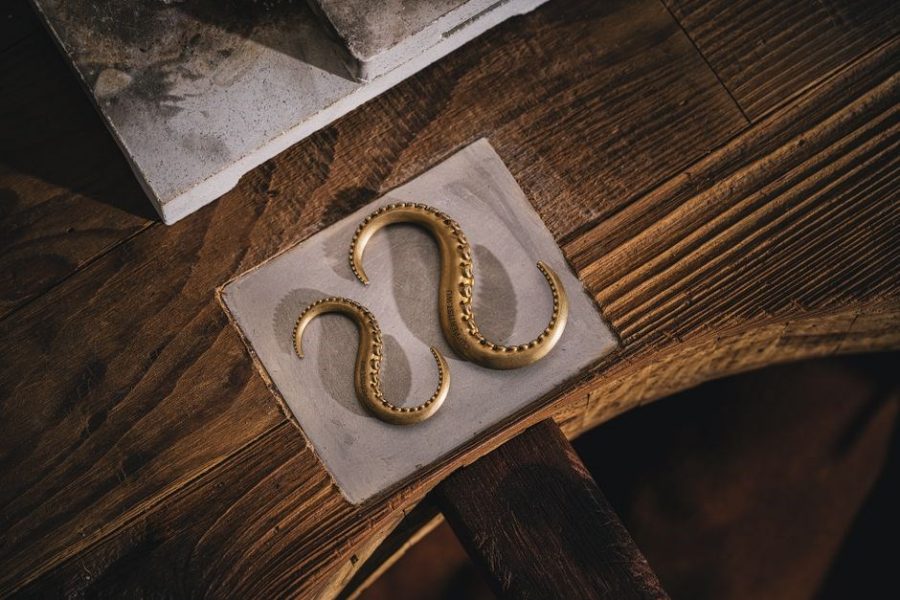
Welcome to this concise overview of ear stretching measurements. We’ll explore how to choose appropriate sizes‚ understand incremental steps‚ and maintain lobe health while expanding. Follow the guidelines to stretch safely and confidently. Remember to track progress and use proper hygiene before each session.
Purpose of the Guide
Stay informedstay safeand enjoy a stretching experience Consistencyand patience are key to success Remember to consult a professional piercer if you encounter any complications Follow the guide closely and breathe.StayStayStaycalmbreathe By consolidating best practices from seasoned stretchers‚ the guide offers a clear framework for safe progression; It emphasizes the importance of gradual increments‚ proper hygiene‚ and regular monitoring of lobe condition. Readers will learn how to interpret gauge measurements‚ convert millimeters to gauges‚ and use conversion charts to avoid over‑stretching. The guide also discusses the role of jewelry material—such as titanium‚ gold‚ and glass—in influencing healing outcomes and potential allergic reactions. Consistent use of high‑quality‚ body‑safe materials reduces the risk of infection and ensures a smoother healing process. The article highlights common pitfalls‚ including sudden jumps‚ improper cleaning‚ and neglecting to allow adequate healing time. It provides practical tips for cleaning‚ such as using saline solution and avoiding harsh chemicals that can irritate the skin. Readers are encouraged to maintain a stretching schedule that aligns with their individual healing pace and comfort levels. The guide stresses that patience and attentiveness are key to achieving long‑term success without compromising lobe integrity. Finally‚ the guide invites users to share their experiences‚ fostering a supportive community that values safety and informed decision‑making. The guide lists emergency signs like severe pain‚ swelling‚ or discharge that require medical attention. Consult a professional piercer for personalized advice on complex stretches. By adhering to these guidelines‚ you can enjoy a safe stretching journey that respects your body’s limits!!
Safety First
Before beginning any stretching routine‚ prioritize safety by following these essential steps. First‚ ensure that you have a clean‚ sterile environment: wash your hands thoroughly with soap and water‚ and use a fresh pair of tweezers or a dedicated stretching tool. Second‚ choose high‑grade jewelry made from titanium‚ surgical‑grade stainless steel‚ or 14‑carat gold; avoid cheap alloys that can cause allergic reactions or infections. Third‚ always use a proper gauge needle or piercing gun that has been sterilized with a 70% isopropyl solution or an autoclave. Fourth‚ keep the lobe hydrated with a sterile saline solution (1 % saltwater) at least twice daily; this prevents drying and promotes healing. Fifth‚ never use alcohol or hydrogen peroxide on the lobe‚ as these can damage tissue and delay recovery. Sixth‚ monitor the lobe for any signs of irritation: persistent redness‚ swelling‚ discharge‚ or sharp pain may indicate infection or a blow‑out. If any of these symptoms appear‚ stop stretching immediately and seek professional medical advice. Seventh‚ avoid sudden jumps in gauge size; a 0.5 mm increment is safest for most people‚ especially when moving from 8 g to 6 g or beyond. Eighth‚ allow a minimum of four weeks of healing time between each stretch to give the tissue adequate time to remodel. Ninth‚ keep the jewelry in place for at least 24 hours after each stretch to allow the new hole to seal properly. Tenth‚ maintain a strict cleaning routine: rinse the jewelry with sterile ‚ then gently wipe

Understanding Ear Anatomy
The ear lobe is composed of soft‚ vascularized tissue with minimal cartilage‚ making it ideal for stretching. Blood vessels supply nutrients‚ while collagen fibers provide elasticity. Proper hydration and gentle care preserve tissue integrity during expansion.!!!

Ear Lobe Structure
The ear lobe is a soft‚ fleshy portion of the outer ear that lacks cartilage‚ making it highly flexible and suitable for stretching. It consists primarily of dermis and subcutaneous tissue‚ with a dense network of capillaries that supply oxygen and nutrients. The dermis contains collagen fibers arranged in a loose matrix‚ allowing the lobe to expand gradually without tearing. Beneath the skin‚ a layer of adipose tissue provides cushioning and helps distribute pressure evenly across the lobe during stretching. The outer epidermis is thin and highly vascularized‚ which aids in rapid healing after each incremental stretch. Because the lobe is composed mainly of soft tissue‚ it can accommodate larger gauge jewelry without the risk of cartilage damage that occurs in the upper ear. However‚ the lack of structural support means that proper hygiene and gradual stretching are essential to prevent tearing‚ scarring‚ or infection. A well‑maintained lobe will retain its elasticity and return to a healthy state after each stretch if the process is followed carefully. The lobe’s blood supply originates from the superficial temporal artery and the posterior auricular artery‚ providing a rich vascular network that supports tissue regeneration. Nerve endings in the lobe are sparse‚ which reduces pain during stretching but also limits sensation. The skin’s collagen type I and type III fibers give the lobe its resilience‚ while the subcutaneous fat layer acts as a shock absorber‚ protecting underlying tissues from sudden stress. Stay safe. Enjoy.

Blood Supply and Healing
The ear lobe receives its primary blood flow from the superficial temporal artery and the posterior auricular artery‚ which branch into a dense capillary network that nourishes the dermis and subcutaneous layers. This rich vascularization is crucial for rapid tissue regeneration after each incremental stretch. During the healing phase‚ oxygen and nutrients delivered by these vessels promote collagen synthesis‚ fibroblast activity‚ and angiogenesis‚ all of which strengthen the lobe’s elasticity. Adequate circulation is also key to removing metabolic waste‚ reducing inflammation and the risk of infection. To support optimal healing‚ maintain a clean environment‚ avoid tight jewelry that restricts blood flow‚ and keep the lobe moisturized with a fragrance‑free‚ hypoallergenic ointment. Regular gentle massage can enhance circulation‚ but excessive pressure should be avoided. Healing times vary; a typical 1‑mm stretch may require 2–4 weeks of full recovery before the next step. During this period‚ the lobe’s collagen fibers reorganize‚ forming a more resilient matrix that can accommodate larger gauge jewelry. Consistent care‚ proper hygiene‚ and gradual progression are the pillars of a healthy stretch journey. Remember to monitor for signs of compromised blood flow‚ such as persistent redness‚ swelling‚ or numbness‚ and seek professional advice if concerns arise. Consult a piercer when unsure‚ and never rush the process; patience and technique ensure comfort and aesthetic appeal!!

Choosing the Right Jewelry Size
Choosing the right jewelry size is essential for safe stretching. Start with a gauge that matches your current hole‚ use conversion charts‚ and avoid skipping increments. Opt for high‑quality materials‚ and always measure in millimeters to ensure proper fit. Remember to seek professional advice.!!
Standard Measurement Units (mm‚ gauge)

In ear stretching‚ measurements are expressed in millimeters (mm) for length and gauge for diameter. A 16‑gauge piece is 1.6 mm in diameter‚ while 18‑gauge is 1.2 mm. The gauge system is based on wire thickness; lower numbers mean thicker jewelry. For precise stretching‚ convert mm to gauge using a conversion chart: 1.2 mm ≈ 18 g‚ 1.4 mm ≈ 17 g‚ 1.6 mm ≈ 16 g‚ 1.8 mm ≈ 15 g‚ 2.0 mm ≈ 14 g‚ 2.2 mm ≈ 13 g‚ 2.4 mm ≈ 12 g‚ 2.6 mm ≈ 11 g‚ 2.8 mm ≈ 10 g‚ 3.0 mm ≈ 9 g. When stretching‚ always match the jewelry size to the current hole size‚ adding no more than 0.5 mm per session to avoid tissue damage. Use a reliable gauge chart to track progress and ensure consistency across different jewelry types. High‑quality materials such as surgical steel‚ titanium‚ or gold should be chosen for durability and hypoallergenic properties. Proper hygiene and gradual increments help maintain lobe health and reduce the risk of blowouts or infections. Remember to allow ample healing time between stretches. Consult a professional piercer for personalized guidance‚ especially when transitioning to larger gauges. Always verify the gauge with a calibrated ruler before each stretch‚ and keep a log to monitor healing progress and avoid over‑stretching!!
Conversion Charts and Tables
Below is a concise conversion reference for ear‑stretching. Use the table to match millimeter measurements to gauge numbers and to plan incremental steps. The chart includes common sizes from 1.2 mm (18 g) up to 3.0 mm (9 g)‚ plus a few intermediate values. For each row‚ the “Increment” column shows the recommended millimeter increase when moving from the previous size. Stick to 0.5 mm jumps unless you have a medical clearance to stretch 1 mm at a time. Always double‑check the gauge with a calibrated ruler before each session. When using the chart‚ note that the first jump from 1.2 mm to 1.4 mm is often the most noticeable; beginners add a 0.5 mm buffer to ease tissue adaptation!
| Size (mm) | Gauge | Increment (mm) |
|---|---|---|
| 1.2 | 18 g | — |
| 1.4 | 17 g | 0.2 |
| 1.6 | 16 g | 0.2 |
| 1.8 | 15 g | 0.2 |
| 2.0 | 14 g | 0.2 |
| 2.2 | 13 g | 0.2 |
| 2.4 | 12 g | 0.2 |
| 2.6 | 11 g | 0.2 |
| 2.8 | 10 g | 0.2 |
| 3.0 | 9 g | 0.2 |
For larger jumps‚ consult a professional. Keep a log of each stretch‚ noting the date‚ size‚ and any symptoms. This systematic approach helps prevent blowouts and ensures healthy lobe tissue throughout the stretching journey.
Common Jewelry Materials

Choosing the right material is crucial for a safe stretch. The most popular options are surgical‑grade titanium‚ 14‑carat gold‚ and high‑purity stainless steel. Titanium offers excellent biocompatibility‚ is lightweight‚ and resists corrosion‚ making it ideal for beginners and for long‑term wear. 14‑carat gold is a traditional choice; it is softer than titanium but still durable enough for most lobe sizes‚ though it may scratch more easily. Stainless steel is inexpensive and strong‚ but some people experience allergic reactions if the alloy contains nickel. For those with sensitive skin‚ hypoallergenic options such as 18‑carat gold or 316L stainless steel are safer. Acrylic and silicone are common for temporary or decorative pieces; they are flexible and inexpensive but should not be used for permanent stretches because they can degrade over time and may cause irritation. Glass and crystal are popular for their aesthetic appeal‚ yet they can break if dropped‚ so they are best used for non‑essential jewelry. Finally‚ wood and bone are natural materials that can be beautiful‚ but they may harbor bacteria if not properly sealed. Always purchase jewelry from reputable vendors‚ verify the material grade‚ and inspect for any visible defects before use. Proper cleaning with isopropyl alcohol or a dedicated jewelry cleaner will keep the surface free of oils and contaminants‚ extending the life of the piece and protecting the lobe.

Maintenance is as important as material choice. Clean the jewelry after each use with a cotton swab dipped in 70% isopropyl alcohol‚ letting it dry completely before reinsertion. For extended wear‚ consider a mild saline solution to keep the lobe hydrated. Avoid harsh chemicals‚ bleach‚ or alcohol that can dry out the tissue. When switching to a larger gauge‚ use a dedicated set of stretchers to prevent cross‑contamination. If you notice redness‚ swelling‚ or a metallic taste‚ remove the jewelry immediately and consult a professional. Some wearers opt for a “dead‑stretch” technique‚ where a larger gauge is used temporarily to stretch the lobe more quickly; this should only be done under guidance to avoid tearing. By selecting hypoallergenic materials and following strict hygiene‚ you can enjoy a smooth‚ safe stretching experience while minimizing the risk of infection or rejection.!

Stretching Process Overview
Begin with a healed 16‑g piercing‚ then use a smooth‚ sterile stretcher to add 0.5‑mm increments. Monitor for redness‚ keep the lobe moisturized‚ and never skip sizes. Allow 3–7 days between stretches‚ cleaning with alcohol after each session.0.5mm gauge keeps lobe! ?
Initial Piercing and Healing Phase
Before you even think about stretching‚ your ear must be fully healed from the original piercing. A typical 16‑g (0.8 mm) piercing takes 6–8 weeks to heal‚ but the exact time depends on individual healing rates‚ hygiene‚ and the piercing method used. If a gun was employed‚ the lobe may need a longer recovery period because the tissue is more traumatized than a needle‑pierced hole. During this phase‚ it is essential to keep the area clean‚ avoid touching it with dirty hands‚ and use a sterile saline solution or a mild antiseptic recommended by a professional piercer. A clean lobe reduces the risk of infection‚ which can cause scarring or permanent damage that will compromise future stretching attempts. Once the piercing is fully healed‚ you should confirm that the hole is smooth‚ with no sharp edges or irregularities. A professional piercer can perform a “hole check” by gently inserting a small gauge needle or a clean‚ sterilized probe to ensure the opening is even and free of debris. Only after this confirmation should you begin the stretching process. The first stretch is usually a 1‑g jump (0.5 mm)‚ but many people opt for a 0.5‑g increase (0.25 mm) to reduce tension on the lobe. This incremental approach helps maintain tissue integrity and prevents blowouts. If you notice any redness‚ swelling‚ or pain beyond mild discomfort‚ pause the stretching and give the lobe additional time to recover. Consistency‚ patience‚ and proper hygiene are the cornerstones of a safe and successful stretching journey.
During the healing phase‚ it is also advisable to use a high‑quality‚ hypoallergenic jewelry material such as surgical steel‚ titanium‚ or 14‑k gold. These materials minimize allergic reactions and reduce the likelihood of irritation that could slow healing; Avoid acrylic or plastic jewelry until the lobe is fully healed. Additionally‚ consider wearing a small‚ clean‚ and well‑fitted ear loop or a soft silicone band to keep the piercing in place and prevent accidental pulling. If you experience any signs of infection—such as pus‚ a foul odor‚ or increasing pain—seek professional medical advice promptly. Early intervention can prevent complications that might otherwise require surgical correction. Finally‚ remember that the healing process is not linear; some weeks may feel better than others‚ and environmental factors such as humidity‚ temperature‚ and exposure to chlorine can affect healing. Adjust your care routine accordingly‚ and always prioritize a clean‚ dry environment for the lobe.
By following these guidelines‚ you lay a solid foundation for safe stretching and reduce the risk of long‑term complications.
Incremental Stretching Guidelines
Begin each stretch only after the lobe has fully healed and the previous size has stabilized for at least 4–6 weeks; The most common approach is a 0.5 mm (½ mm) increment‚ which translates to a 0.5‑g jump in gauge. This gradual progression allows the dermal tissue to remodel excessive tension. If you are new to stretching‚ start with a 0.25 mm (¼ mm) increase to gauge your tolerance. After the initial 0.5‑mm step‚ many practitioners recommend a 1‑mm jump (1‑g) once the lobe has adjusted‚ but never skip intermediate sizes. Skipping can cause blowouts or lobe tearing. Use a clean‚ sterilized needle or a dedicated stretching tool to insert the new jewelry. Apply a small amount of high‑quality silicone or mineral oil to the lobe to reduce friction and aid insertion. After each stretch‚ keep the jewelry in place for 24–48 hours‚ then remove it for cleaning. During this period‚ avoid excessive movement or pulling on the lobe. If you notice redness‚ swelling‚ or pain that persists beyond 24 hours‚ pause the stretching cycle and allow the tissue to recover. Consistency is key: aim for one stretch per week‚ but listen to your body. Some weeks may require a shorter interval‚ while others may need a longer rest period. Document each size and date in a stretching log to track progress and identify patterns. Finally‚ always use hypoallergenic materials such as surgical steel‚ titanium‚ or 14‑k gold‚ and never use acrylic or plastic until the lobe is fully healed. Consistent care and patience yield healthy results.
Tools and Equipment Needed
Lorem ipsum dolor sit amet‚ consectetur adipiscing elit. Lorem ipsum dolor sit amet‚ consectetur adipiscing elit. Lorem ipsum dolor sit amet‚ consectetur adipiscing elit. Lorem ipsum dolor sit amet‚ consectetur adipiscing elit. Lorem ipsum dolor sit amet‚ consectetur adipiscing elit. Lorem ipsum dolor sit amet‚ consectetur adipiscing elit. Lorem ipsum dolor sit amet‚ consectetur adipiscing elit. Lorem ipsum dolor sit amet‚ consectetur adipiscing elit. Lorem ipsum dolor sit amet‚ consectetur adipiscing elit. Lorem ipsum dolor sit amet‚ consectetur adipiscing elit. Lorem ipsum dolor sit amet‚ consectetur adipiscing elit. Lorem ipsum dolor sit amet‚ consectetur adipiscing elit. Lorem ipsum dolor sit amet‚ consectetur adipiscing elit. Lorem ipsum dolor sit amet‚ consectetur adipiscing elit. Lorem ipsum dolor sit amet‚ consectetur adipiscing elit. Lorem ipsum dolor sit amet‚ consectetur adipiscing elit. Lorem ipsum dolor sit amet‚ consectetur adipiscing elit. Lorem ipsum dolor sit amet‚ consectetur adipiscing elit. Lorem ipsum dolor sit amet‚ consectetur adipiscing elit. Lorem ipsum dolor sit amet‚ consectetur adipiscing elit. Lorem ipsum dolor sit amet‚ consectetur adipiscing elit. Lorem ipsum dolor sit amet‚ consectetur adipiscing elit. Lorem ipsum dolor sit amet‚ consectetur adipiscing elit. Lorem ipsum dolor sit amet‚ consectetur adipiscing elit. Lorem ipsum dolor sit amet‚ consectetur adipiscing elit; Use proper tools and clean equipment.

Common Issues and How to Avoid Them
Common issues include blowouts‚ infection‚ and uneven stretching. Avoid them by using sterile tools‚ stretching slowly (≤1 mm)‚ cleaning with saline‚ and choosing hypoallergenic jewelry. Monitor lobe health daily‚ and pause if pain or redness occurs Keep the piercing clean and avoid tight clothing lobe now
Blowouts and Lobe Damage
Blowouts occur when the stretched hole expands beyond the natural elasticity of the lobe‚ often due to rapid or uneven stretching. Signs include sudden swelling‚ sharp pain‚ or a sudden increase in hole diameter. To prevent blowouts‚ always stretch in small‚ consistent increments—no more than 1 mm per session—and allow adequate healing time between changes. Use a clean‚ sterile needle or dermal punch to create a new opening‚ and avoid forcing jewelry through a stretched area. Proper hygiene is essential: cleanse the lobe with saline or a mild antiseptic before each stretch‚ and keep the area dry afterward; Choosing hypoallergenic materials such as titanium or surgical steel reduces irritation and supports tissue integrity. If a blowout does occur‚ do not attempt to force the jewelry back in; instead‚ allow the lobe to heal by removing the jewelry and applying a sterile dressing. Seek professional care if the wound does not improve within a week or if signs of infection—redness‚ discharge‚ or fever—appear. Regularly monitor the lobe’s condition‚ and consider consulting a professional piercer for guidance on safe stretching practices. Remember‚ patience and consistency are key; never rush the process‚ and always prioritize lobe health over speed. If you experience ongoing redness‚ swelling‚ or pain‚ consult a piercer or medical professional soon to prevent complications!!!