
Maytag Top Load Washer Manual PDF: A Comprehensive Guide

Navigating your Maytag top load washer is simplified with the official PDF manual; it details HE detergent use (W10783959A & W10783960A) and cycle specifics for optimal cleaning.
Understanding Your Maytag Top Load Washer
Your Maytag top load washer is engineered for robust performance and efficient cleaning, but maximizing its potential requires familiarization with its features and operational nuances. The official manual, available as a PDF, is your primary resource. It details specific cycle options – Normal, Delicates, Heavy Duty, Quick Wash, Bulky Items, and Soak – each designed for particular fabric types and soil levels.
Understanding these cycles ensures optimal garment care and cleaning effectiveness. For instance, the Delicates cycle, recommended for items labeled “Washable Silks” or “Gentle,” utilizes a gentler wash action. The Soak cycle is invaluable for pre-treating set-in stains, employing intermittent agitation. Crucially, Maytag top load washers are designed to exclusively use High Efficiency (HE) detergents, identified by codes like W10783959A and W10783960A, to prevent excessive sudsing and maintain performance.
Locating the Official Maytag Washer Manual PDF
Finding the official Maytag washer manual PDF is crucial for comprehensive guidance on your top load model. Begin by visiting the official Maytag website and navigating to their support section. Utilize the model number search function – a key identifier for accurate documentation. Alternatively, a general web search using “Maytag washer manual PDF” coupled with your specific model number will yield direct links to downloadable files.
Ensure the source is legitimate to avoid potentially outdated or inaccurate information. The official PDF will contain detailed instructions on cycle selection, detergent usage (specifically HE detergents like W10783959A & W10783960A), troubleshooting, and maintenance procedures. Having this readily accessible resource empowers you to effectively operate and maintain your Maytag washer, maximizing its lifespan and performance.
Model Number Identification
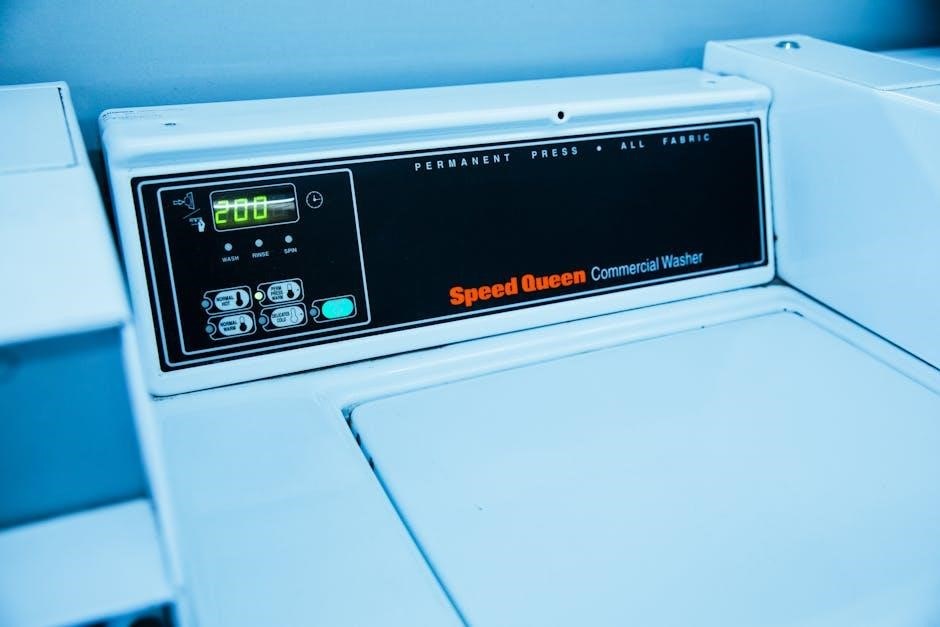
Accurately identifying your Maytag top load washer’s model number is paramount when seeking the correct manual PDF. This unique identifier ensures you access documentation tailored to your specific machine’s features and functionalities. Typically, the model number is located on a sticker or plate within the washer.
Common locations include the inside of the lid, around the door opening, or on the back panel of the appliance. The number often begins with “MVW” or a similar prefix, followed by a series of digits. This number is essential not only for downloading the correct manual, but also when ordering replacement parts or contacting Maytag customer support. Referencing the manual (and understanding HE detergent requirements like W10783959A & W10783960A) becomes significantly easier with the correct model information.
Safety Precautions & Warnings
Prioritizing safety is crucial when operating your Maytag top load washer. The official manual PDF outlines essential precautions to prevent injury and ensure proper appliance function. Always disconnect the power supply before performing any maintenance or cleaning. Never attempt to repair the washer yourself; contact a qualified technician for complex issues.
Be mindful of water temperatures, especially when washing delicate fabrics. Avoid overloading the washer, as this can strain the motor and affect cleaning performance. Keep children and pets away from the appliance during operation. The manual details proper detergent usage – including HE detergents like those designated W10783959A & W10783960A – to prevent excessive suds and potential hazards. Ignoring these warnings could lead to damage or injury.
Washer Components & Features
Your Maytag top load washer boasts several key components designed for efficient cleaning. The manual PDF details the function of the agitator, responsible for creating washing action, and the durable stainless steel wash basket. Features include a variety of cycle options, catering to different fabric types and soil levels – from Normal to Delicates and Heavy Duty.
The control panel, explained in the manual, allows for precise adjustments to water temperature, spin speed, and cycle selection. Understanding the dispenser drawers is vital for proper detergent and additive usage, particularly with High Efficiency (HE) detergents (W10783959A & W10783960A). The washer also incorporates safety features and a filtration system, all comprehensively covered within the official documentation.
Control Panel Overview
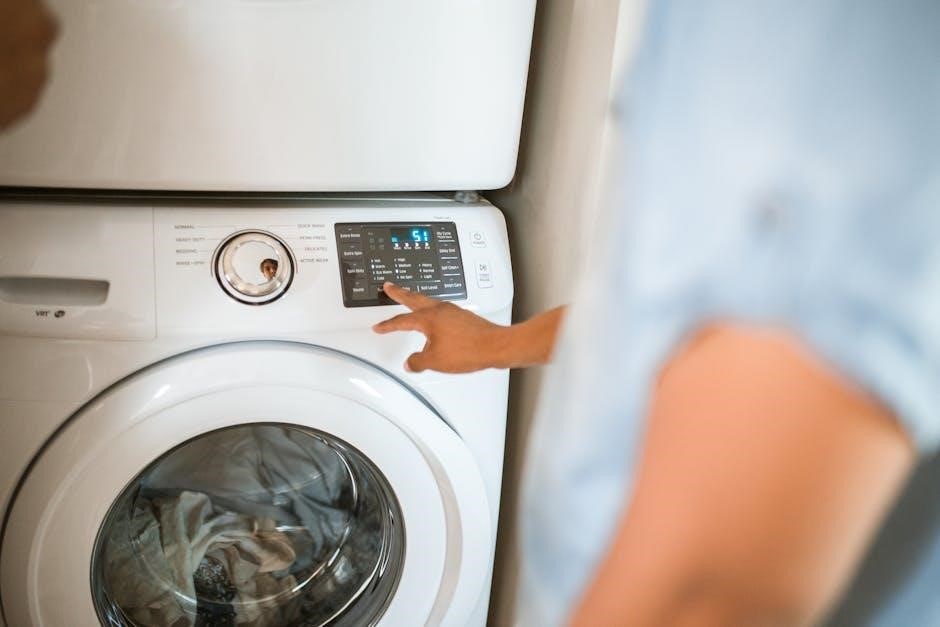
The Maytag top load washer’s control panel, detailed in the manual PDF, is designed for intuitive operation. Key elements include the cycle selector dial, allowing you to choose from options like Normal, Delicates, and Heavy Duty. Digital displays clearly indicate cycle progress and remaining time. Buttons control water temperature settings, spin speed, and additional features like the Soak cycle – ideal for addressing set-in stains.
The manual explains the function of each button and indicator light. Understanding these controls is crucial for customizing wash cycles to suit your laundry needs. Proper use ensures optimal cleaning performance and fabric care, especially when utilizing HE detergents (W10783959A & W10783960A). Familiarize yourself with the panel for a seamless laundry experience.
Cycle Selection Guide
Your Maytag top load washer manual PDF outlines a variety of cycles for diverse laundry needs. The Normal/Regular cycle is suited for everyday cotton and mixed fabrics, utilizing HE detergents (W10783959A & W10783960A) for effective cleaning. For delicate items, the Delicates/Gentle cycle provides a softer wash, recommended for washable silks. Heavy Duty tackles heavily soiled loads, while Quick Wash offers a faster option for lightly soiled items.
The Bulky Items/Bedding cycle accommodates larger loads like comforters. Notably, the Soak cycle is designed to pre-treat set-in stains through intermittent agitation. Refer to garment care labels and the manual to select the appropriate cycle, ensuring optimal cleaning and fabric preservation. Understanding these options maximizes your washer’s performance.
Normal/Regular Cycle
The Normal/Regular cycle, detailed in your Maytag top load washer manual PDF, is the workhorse for everyday laundry. Designed for normally soiled cottons and mixed-fabric loads, it delivers a thorough clean while conserving water and energy. This cycle is optimized for use with High Efficiency (HE) detergents, specifically those with part numbers W10783959A or W10783960A, ensuring optimal performance and preventing residue buildup.

Load size is important; avoid overloading to allow for proper agitation and rinsing. For best results, follow the detergent manufacturer’s recommendations based on load size and soil level. This cycle provides a balanced approach to cleaning, making it ideal for most common laundry tasks. Consult the manual for specific water temperature settings.
Delicates/Gentle Cycle
The Delicates/Gentle cycle, as outlined in your Maytag top load washer’s manual PDF, provides a softer washing action for fragile items. Specifically intended for washable silks and delicate fabrics, it minimizes agitation to prevent damage. Always check the garment’s care label for washing instructions; if “Gentle cycle” is recommended, this is the appropriate setting.
To further protect delicate items, place small pieces inside mesh garment bags before washing. This prevents snagging and tangling during the cycle. Remember to use HE High Efficiency detergents (W10783959A & W10783960A) to avoid excessive suds and residue. The manual details appropriate water temperature settings for delicate fabrics, typically cool or cold water is advised.
Heavy Duty Cycle
The Heavy Duty cycle, detailed within your Maytag top load washer’s manual PDF, is designed for robust cleaning of heavily soiled items. This cycle utilizes increased agitation and a longer wash time to tackle tough stains and dirt embedded in durable fabrics like work clothes, towels, and jeans. Refer to the manual for specific load size recommendations to ensure optimal performance;
For best results, pre-treat heavily stained areas before loading the washer. Utilize a high-quality HE High Efficiency detergent (W10783959A & W10783960A) to maximize cleaning power. The manual will guide you on appropriate water temperature settings; warmer water generally enhances stain removal. Avoid using this cycle for delicate fabrics, as the vigorous action could cause damage.
Quick Wash Cycle
The Quick Wash cycle, as outlined in your Maytag top load washer’s manual PDF, provides a convenient solution for lightly soiled or refreshed loads. This cycle significantly reduces wash time, making it ideal for smaller items or when you’re short on time. Consult the manual for precise cycle duration details, as it may vary by model.
While efficient, the Quick Wash cycle is best suited for items that don’t require deep cleaning. Use a HE High Efficiency detergent (W10783959A & W10783960A) to ensure effective cleaning even with the shorter wash time. Avoid overloading the washer, as this can compromise cleaning performance. The manual will also specify appropriate load sizes for this cycle. Remember to check garment care labels before using.
Bulky Items/Bedding Cycle
Your Maytag top load washer manual PDF details the Bulky Items/Bedding cycle, specifically designed for washing larger items like comforters, blankets, and pillows. This cycle utilizes extended wash and rinse times to thoroughly clean and rinse these substantial loads. Refer to your model’s manual for weight capacity limits to prevent overloading.
Proper loading is crucial; distribute bulky items evenly around the agitator to maintain balance and prevent excessive vibration. Always use a HE High Efficiency detergent (W10783959A & W10783960A) for optimal results and to avoid residue buildup. The manual may recommend adjusting water temperature based on the bedding material. Ensure items are fully dissolved before starting the cycle. Following these guidelines ensures effective cleaning and protects your washer.
Soak Cycle – Addressing Set-In Stains
The Maytag top load washer manual PDF highlights the Soak cycle as a powerful tool for tackling stubborn, set-in stains. This cycle employs intermittent agitation combined with extended soaking periods, allowing the detergent to penetrate and loosen difficult stains before the main wash begins. It’s ideal for heavily soiled items requiring pre-treatment.
Before initiating the Soak cycle, pretreat the stain with a stain remover, following the product’s instructions. Use a HE High Efficiency detergent (W10783959A & W10783960A) for best results. The manual specifies this cycle is best suited for smaller loads and specific fabric types. After the soak, the washer automatically transitions to the wash cycle. Always check the garment care label for suitability before using this cycle.
Detergent & Additive Usage
The Maytag top load washer manual PDF emphasizes the critical importance of using the correct type and amount of detergent for optimal performance and to maintain your washer’s longevity. Specifically, Maytag top load washers are designed to function exclusively with High Efficiency (HE) detergents, identified by the “HE” symbol. Using non-HE detergents will create excessive suds, potentially damaging the machine and voiding the warranty.
Refer to the detergent manufacturer’s recommendations for appropriate dosage based on load size and soil level. The manual also details proper additive usage, such as fabric softener and bleach, directing users to the designated dispenser drawers. Models W10783959A and W10783960A require HE detergents. Overusing detergent or additives can leave residue on clothes and within the washer.
High Efficiency (HE) Detergent Requirements ‒ W10783959A & W10783960A
Your Maytag top load washer, specifically models W10783959A and W10783960A, is engineered for exclusive use with High Efficiency (HE) detergents. The manual PDF clearly states this requirement, emphasizing that non-HE detergents produce excessive suds. These excessive suds interfere with the wash cycle, reducing cleaning effectiveness and potentially causing mechanical issues. HE detergents are formulated to produce fewer suds while maintaining powerful cleaning action.
Look for the “HE” symbol on detergent packaging to ensure compatibility. Using the correct detergent type safeguards your washer’s performance and prevents residue buildup. The manual details that using incorrect detergents may void your warranty. Always follow the detergent manufacturer’s dosage guidelines, adjusting based on load size and soil level for optimal results.
Water Temperature Settings
The Maytag top load washer manual PDF details comprehensive water temperature options for varied fabric care. Typically, settings include Hot, Warm, and Cold, each serving a distinct purpose. Hot water is ideal for heavily soiled items and whites, maximizing cleaning power but potentially causing color fading. Warm water offers a balance, suitable for most everyday loads and preventing significant color loss.
Cold water is recommended for delicate fabrics, bright colors, and preventing shrinkage. The manual emphasizes that cold water also conserves energy. Selecting the appropriate temperature is crucial for preserving garment quality and achieving optimal cleaning results. Refer to garment care labels for specific temperature recommendations. Proper temperature selection, as outlined in the PDF, ensures effective and safe laundry care.
Load Size Recommendations
The Maytag top load washer manual PDF stresses the importance of proper load sizing for optimal performance; Overloading the washer can hinder cleaning effectiveness, while underloading wastes water and energy. Generally, the manual advises filling the wash basket approximately three-quarters full for typical loads.
For bulky items like bedding or comforters, a smaller load size is recommended to allow for adequate agitation. The manual often provides visual guides illustrating appropriate load levels. Avoid packing items tightly, ensuring sufficient space for movement during the wash cycle. Following these recommendations, detailed in the PDF, ensures efficient cleaning, prevents damage to clothes, and maximizes the lifespan of your Maytag washer;
Troubleshooting Common Issues
The Maytag top load washer manual PDF provides a dedicated troubleshooting section to address frequent problems. Common issues include the washer failing to start, experiencing drainage difficulties, or generating excessive noise during operation. The manual guides users through diagnostic steps, often beginning with simple checks like power supply and water inlet connections.
Error codes are clearly defined, offering specific insights into the nature of the malfunction. For instance, a failure to drain might indicate a clogged drain pump or hose. The manual emphasizes safety precautions, advising users to disconnect power before attempting any repairs. Referencing the PDF’s troubleshooting guide can often resolve minor issues without requiring a service call, saving time and expense.
Washer Won’t Start
If your Maytag top load washer refuses to start, the manual PDF suggests several initial checks. First, verify the power cord is securely plugged into a functioning outlet. Next, confirm the lid switch is properly engaged – the washer won’t operate with the lid open. The manual details how to test the lid switch for continuity if suspected faulty.

Additionally, check the household circuit breaker or fuse box to ensure the circuit hasn’t tripped or blown. The PDF may also guide you through resetting the washer’s control panel. If these steps don’t resolve the issue, the manual advises consulting a qualified technician, as it could indicate a more complex electrical problem requiring professional attention.
Washer Won’t Drain
When your Maytag top load washer retains water after a cycle, the manual PDF points to potential drainage obstructions. Begin by checking the drain hose for kinks or clogs – ensure it isn’t excessively bent or blocked. The manual illustrates how to safely detach and inspect the hose. Next, locate and clean the washer’s drain pump filter; accumulated lint, debris, or small objects often cause blockages.
The PDF provides detailed instructions and diagrams for accessing and cleaning the filter. If the filter is clear, the drain pump itself might be faulty, requiring professional diagnosis and repair. Always disconnect power before attempting any internal component checks, as outlined in the safety section of the manual.
Washer is Noisy
Unusual noises during operation, as detailed in the Maytag top load washer manual PDF, often stem from unbalanced loads. Ensure items are distributed evenly within the drum before starting a cycle. The manual emphasizes avoiding single, heavy items like rugs or jackets. If the noise persists, check for foreign objects lodged between the inner and outer tubs – coins, buttons, or small articles of clothing can cause rattling.
The PDF guides users through a process to inspect for and remove such obstructions. Additionally, worn or damaged suspension rods or a failing drive pulley can generate noise; these components may require professional attention. Always refer to the troubleshooting section of the manual before attempting repairs.
Error Codes & Their Meanings
The Maytag top load washer manual PDF provides a comprehensive list of error codes displayed on the control panel. These codes are diagnostic tools, signaling specific issues with the washer’s operation. For example, a code indicating a water inlet issue suggests a problem with the water supply or the inlet valve itself. The manual details steps to verify water pressure and check the valve for obstructions.
Other codes may relate to drain pump malfunctions, motor errors, or issues with the lid switch. Crucially, the manual advises against attempting repairs without understanding the code’s meaning and following the recommended troubleshooting steps. Ignoring error codes can lead to further damage or safety hazards; consult a qualified technician if unsure.
Maintenance & Cleaning
Regular maintenance, as outlined in the Maytag top load washer manual PDF, is crucial for longevity and performance. The manual emphasizes periodic cleaning of the washer tub to prevent mildew and detergent buildup; This is typically achieved using a washer cleaner or hot water with vinegar, running an empty cycle. Additionally, the dispenser drawers require routine cleaning to ensure proper detergent and additive distribution.
A vital aspect of maintenance involves cleaning the washer’s filter, which traps lint and debris. The manual provides detailed instructions on locating and accessing the filter, advising caution during removal to avoid water spillage. Following these guidelines helps maintain optimal washing efficiency and prevents potential issues.
Cleaning the Washer Tub
The Maytag top load washer manual PDF stresses the importance of a clean washer tub to prevent odors, mildew, and detergent residue. Regular cleaning, ideally monthly or more frequently with heavy use, ensures optimal performance. The manual recommends using a commercially available washer cleaner, following the product’s instructions carefully.
Alternatively, a cleaning cycle can be run with hot water and a cup of white vinegar; Ensure the washer is empty during this process. For stubborn residue, the manual suggests repeating the cycle or using a slightly higher vinegar concentration. Always wipe down the tub’s interior after cleaning to remove any remaining loosened debris, promoting a fresh and hygienic wash environment.
Cleaning the Dispenser Drawers
The Maytag top load washer manual PDF highlights the necessity of routinely cleaning the dispenser drawers to prevent clogs and ensure accurate detergent and additive distribution. Residue buildup can hinder proper dispensing, impacting wash performance. The manual advises removing the drawers – typically by pressing a release tab – and rinsing them thoroughly under warm water.
For stubborn residue, a mild detergent solution or a soft brush can be employed. Ensure all traces of detergent are removed before reinserting the drawers. The manual also recommends periodically cleaning the dispenser housing within the washer itself, using a damp cloth to wipe away any accumulated buildup, maintaining optimal functionality.
Filter Cleaning Procedures
Your Maytag top load washer manual PDF emphasizes regular filter cleaning to maintain peak performance and prevent drainage issues. The filter traps lint, debris, and small objects, preventing them from clogging the drain pump. Locate the filter access panel – its position varies by model, consult your manual for specifics.
Before opening, place towels to absorb potential water spillage. Carefully remove the filter, clean it thoroughly under running water, removing all accumulated debris. Inspect the filter for damage and replace if necessary. Reinstall the filter securely, ensuring a tight seal to prevent leaks. The manual recommends cleaning the filter every six months, or more frequently with heavy use.
Long-Term Storage Instructions

If storing your Maytag top load washer for an extended period, the manual PDF advises thorough preparation to prevent damage. First, disconnect the washer from the power supply and water lines. Next, drain all remaining water from the washer tub and hoses; a wet environment fosters mold and mildew.
Leave the washer lid ajar to promote air circulation and prevent odor buildup. The manual suggests wiping down the interior with a clean, dry cloth. Secure the power cord and hoses to prevent damage during storage. Consider using a washer cover to protect against dust and debris. Store in a dry, climate-controlled environment if possible, avoiding extreme temperatures.