Bridgewater Temple Calendar 2026: An Overview
The Bridgewater Temple Calendar for 2026‚ based on the Saka‚ Vikram‚ and Kaliyuga systems‚ provides detailed timings for auspicious events․
This calendar‚ available as a PDF‚ meticulously outlines Nakshatra information‚ Varjyam timings‚ Rahukalam‚ Yamagandam‚ and precise sunrise/sunset times․
The calendar’s foundation lies in Swetha Varaha Kalpam‚ Vaivasvata Manvantaram‚ and Krouncha Dweepam‚ with Saka Samvatsaram being 1947‚ Vikram Samvatsaram 2082‚ and Kaliyuga Samvatsaram 5127․
The Bridgewater Temple Calendar is a comprehensive guide designed to assist devotees in aligning their spiritual practices with auspicious timings․ Rooted in ancient Vedic astrology‚ this calendar serves as a vital tool for determining favorable moments for prayers‚ ceremonies‚ and important life events․
For the year 2026‚ the calendar meticulously integrates three prominent time-reckoning systems: the Saka Samvatsaram (1947)‚ Vikram Samvatsaram (2082)‚ and Kaliyuga Samvatsaram (5127)․ This tri-system approach ensures accuracy and caters to diverse astrological preferences․
The calendar’s framework is established within the Swetha Varaha Kalpam‚ Vaivasvata Manvantaram‚ and Krouncha Dweepam‚ providing a cosmological context for the daily and monthly calculations․ It’s more than just dates; it’s a connection to a rich tradition․ The readily available PDF format ensures accessibility for all‚ allowing devotees to easily consult the calendar for daily panchangam details․
It is a valuable resource for those seeking to incorporate Vedic principles into their daily lives․
Understanding the Calendar’s Significance
The Bridgewater Temple Calendar’s significance stems from its foundation in Vedic astrology‚ a system believing celestial bodies influence earthly events․ Understanding this influence allows devotees to harmonize their actions with cosmic energies‚ maximizing the benefits of spiritual endeavors․
The calendar isn’t merely a listing of dates; it’s a roadmap for auspicious living․ The detailed inclusion of Nakshatras (lunar mansions)‚ Varjyam (inauspicious times)‚ Rahukalam‚ and Yamagandam provides a nuanced understanding of daily energies․
By consulting these timings‚ individuals can strategically plan activities‚ avoiding periods deemed unfavorable and capitalizing on those considered propitious․ The precise sunrise and sunset times are crucial for determining appropriate times for prayers and rituals․ The calendar’s adherence to the Saka‚ Vikram‚ and Kaliyuga systems demonstrates a commitment to traditional accuracy‚ offering a reliable guide for devotees seeking spiritual alignment and a deeper connection to Vedic wisdom․
Calendar Year Details: Saka‚ Vikram‚ and Kaliyuga
The Bridgewater Temple Calendar 2026 uniquely integrates three distinct chronological systems: Saka‚ Vikram‚ and Kaliyuga‚ offering a comprehensive temporal framework rooted in ancient Indian cosmology․
The Saka Samvatsaram‚ beginning in 78 CE‚ marks 1947 in the 2026 calendar‚ representing a solar-based reckoning often used for administrative and astronomical purposes․ Simultaneously‚ the Vikram Samvatsaram‚ originating around 57 BCE‚ registers as 2082‚ a lunar-solar system prevalent in North India and traditionally linked to King Vikramaditya․
Furthermore‚ the calendar acknowledges the Kaliyuga Samvatsaram‚ commencing in 3102 BCE‚ placing 2026 at 5127․ This system‚ based on a cyclical view of time‚ signifies the current epoch in Hindu cosmology․ Utilizing all three systems provides a holistic understanding of time‚ acknowledging both solar‚ lunar‚ and cosmological cycles‚ enriching the calendar’s depth and relevance for diverse spiritual practices․
Key Components of the Calendar
The 2026 Bridgewater Temple Calendar prominently features Nakshatra timings‚ Varjyam periods‚ Rahukalam‚ Yamagandam‚ and precise daily sunrise and sunset times․
Nakshatra Information
The Bridgewater Temple Calendar 2026 provides comprehensive Nakshatra information‚ crucial for determining auspicious timings for various religious and personal activities․ Nakshatras‚ or lunar mansions‚ are integral to Vedic astrology and influence the energy of each day․
The calendar details the transitions between Nakshatras‚ specifying the exact date and time when each Nakshatra begins and ends․ For January 2026‚ the calendar lists Punarvasu starting on January 4th at 04:41 (N)‚ Arudra beginning on January 6th at 06:57 (D)‚ and others throughout the month․
Understanding the Nakshatra prevalent during a specific time allows devotees to align their actions with favorable cosmic influences‚ enhancing the effectiveness of prayers‚ rituals‚ and important undertakings․ This detailed Nakshatra information is a key component of the calendar’s utility․
Varjyam Timings Explained
The Bridgewater Temple Calendar 2026 meticulously details Varjyam timings‚ periods considered inauspicious for commencing any new venture or performing important rituals․ Varjyam represents a time when the lunar energy is unfavorable‚ and activities initiated during this period may encounter obstacles or yield less-than-desired results․
The calendar provides specific start and end times for Varjyam each day‚ categorized as either daytime (D) or nighttime (N)․ For instance‚ on January 1st‚ 2026‚ Varjyam is listed as 05:49D-07:16N․ Similarly‚ on January 8th‚ it appears as 05:16D-06:41N․
Devotees utilize this information to avoid scheduling significant events during Varjyam‚ ensuring a more auspicious and successful outcome for their endeavors․ Accurate Varjyam timings are a vital feature of the Bridgewater Temple Calendar‚ aiding in informed decision-making․
Rahukalam and Yamagandam Details
The Bridgewater Temple Calendar 2026 provides precise timings for Rahukalam and Yamagandam‚ two inauspicious periods each day that are best avoided for important activities․ Rahukalam is a time ruled by Rahu‚ a shadowy planet‚ and is considered unfavorable for initiating new ventures․
Yamagandam‚ governed by Yama‚ the god of death‚ is similarly avoided․ The calendar specifies these timings daily; for example‚ January 1st‚ 2026‚ shows Rahukalam from 09:43-10:53 and Yamagandam from 01:13-02:24․ On January 8th‚ Rahukalam is 01:12-02:22 and Yamagandam is 07:22-08:32․
Devotees consult these timings to postpone significant undertakings‚ ensuring a more favorable alignment with cosmic energies․ The Bridgewater Temple Calendar’s detailed presentation of Rahukalam and Yamagandam empowers individuals to make informed choices for auspicious outcomes․
Sunrise and Sunset Times
The Bridgewater Temple Calendar 2026 meticulously details the daily sunrise and sunset times‚ crucial for determining auspicious moments and performing religious rituals․ Accurate timing is paramount in Hindu astrology and daily worship practices․
For January 1st‚ 2026‚ the calendar indicates a sunrise at 7:22 AM and a sunset at 4:44 PM․ These times vary slightly throughout the month; for instance‚ on January 8th‚ sunrise is at 7:22 AM and sunset at 4:42 PM․ By January 9th‚ sunset shifts to 4:50 PM․
These precise timings allow devotees to synchronize their prayers and observances with the natural rhythms of the day․ The calendar’s consistent provision of sunrise and sunset data facilitates adherence to traditional practices and enhances the spiritual significance of daily routines․
Specific Dates and Observances (January 2026)
January 2026 features key dates like Prathama on the 1st‚ Arudra on the 6th‚ Punarvasu on the 4th‚ and Trayodasi on the 11th‚ as detailed․
Prathama: January 1st‚ 2026
January 1st‚ 2026‚ marks the beginning of the year with Prathama‚ a significant lunar day in the Bridgewater Temple Calendar․ According to the calendar data‚ Prathama concludes at 01:59 PM (Night)․ This date falls within the broader framework of Swetha Varaha Kalpam‚ Vaivasvata Manvantaram‚ and Krouncha Dweepam‚ aligning with Saka Samvatsaram 1947‚ Vikram Samvatsaram 2082‚ and Kaliyuga Samvatsaram 5127․
On this day‚ the sunrise is scheduled for 7:22 AM‚ and sunset will occur at 4:44 PM‚ providing approximately 9 hours and 22 minutes of daylight․ Additionally‚ Rahukalam is observed from 9:43 AM to 10:53 AM‚ while Yamagandam spans from 1:13 PM to 2:24 PM․ Varjyam timings are noted from 5:49 PM to 7:16 PM (Night)․ These timings are crucial for devotees planning religious observances or avoiding inauspicious activities․
Understanding these specific timings allows for a more informed and spiritually aligned start to the new year‚ as per the Bridgewater Temple’s traditional calendar․
Arudra: January 6th‚ 2026
January 6th‚ 2026‚ is designated as the Arudra day within the Bridgewater Temple Calendar‚ a period considered auspicious for specific rituals and observances․ The calendar indicates Arudra concludes at 06:57 PM (Day)․ This date is situated within the larger cosmological context of Swetha Varaha Kalpam‚ Vaivasvata Manvantaram‚ and Krouncha Dweepam‚ corresponding to Saka Samvatsaram 1947‚ Vikram Samvatsaram 2082‚ and Kaliyuga Samvatsaram 5127․
Sunrise on this day is at 7:22 AM‚ with sunset occurring at 4:42 PM‚ offering roughly 9 hours and 20 minutes of daylight․ Rahukalam is scheduled from 09:43 AM to 10:53 AM‚ and Yamagandam from 01:13 PM to 02:24 PM․ Varjyam timings are from 05:49 PM to 07:16 PM (Night)․ These precise timings are vital for devotees seeking to align their activities with the calendar’s recommendations․
Devotees often consult the calendar to determine the most favorable times for prayers and ceremonies‚ ensuring spiritual efficacy according to traditional beliefs․
Punarvasu: January 4th‚ 2026
January 4th‚ 2026‚ falls under the Nakshatra of Punarvasu‚ as detailed in the Bridgewater Temple Calendar․ This day’s Punarvasu period concludes at 04:41 PM (Night)‚ influencing the auspiciousness of activities undertaken during this time․ The calendar’s framework is rooted in Swetha Varaha Kalpam‚ Vaivasvata Manvantaram‚ and Krouncha Dweepam‚ aligning with Saka Samvatsaram 1947‚ Vikram Samvatsaram 2082‚ and Kaliyuga Samvatsaram 5127․
Sunrise on January 4th is at 7:22 AM‚ and sunset occurs at 4:42 PM‚ providing approximately 9 hours and 20 minutes of daylight․ Rahukalam is observed between 09:43 AM and 10:53 AM‚ while Yamagandam spans from 01:13 PM to 02:24 PM․ Varjyam timings are noted from 05:49 PM to 07:16 PM (Night)․
Devotees utilize these timings to schedule prayers‚ rituals‚ and other important events‚ believing that aligning with the calendar enhances their spiritual benefits and overall well-being․
Trayodasi: January 11th‚ 2026
January 11th‚ 2026‚ is designated as Trayodasi‚ occurring at 11:52 AM (Day) according to the Bridgewater Temple Calendar․ This date falls within the broader cosmological framework of Swetha Varaha Kalpam‚ Vaivasvata Manvantaram‚ and Krouncha Dweepam‚ corresponding to Saka Samvatsaram 1947‚ Vikram Samvatsaram 2082‚ and Kaliyuga Samvatsaram 5127․ The calendar provides crucial timings for religious observances․
Sunrise on this day is at 7:22 AM‚ with sunset at 4:42 PM‚ offering approximately nine hours and twenty minutes of daylight․ Rahukalam is scheduled from 01:12 PM to 02:22 PM‚ and Yamagandam from 07:22 AM to 08:32 AM․ Varjyam is observed from 06:37 PM (Day) onwards․
Ashtami is also noted on January 11th at 11:50 PM (Night)‚ adding another layer of significance to the day’s spiritual landscape․ Devotees consult these details for planning prayers and auspicious activities․

Further Dates and Observances (January 2026)
January 2026 features key dates like Chaturdasi on the 8th‚ Poornima on the 5th‚ and Panchami also on the 8th‚ as detailed in the calendar․
Chaturdasi: January 8th‚ 2026
On January 8th‚ 2026‚ the Chaturdasi observance falls on a Thursday‚ specifically designated as a ‘D’ day – meaning the timings are applicable from 6 AM to 6 PM․ According to the Bridgewater Temple Calendar‚ Chaturdasi begins at 08:23 AM․
This day is associated with the Magha Nakshatra‚ commencing at 01:26 AM․ Varjyam timings are noted from 01:37 AM to 03:11 PM‚ a period considered inauspicious for new ventures․ Rahukalam falls between 02:26 PM and 03:36 PM‚ and Yamagandam is observed from 09:43 AM to 10:54 AM․
Sunrise on this day is at 7:22 AM‚ with sunset occurring at 4:47 PM․ Devotees may plan their spiritual practices and observances around these timings‚ as outlined in the comprehensive 2026 calendar provided by the Venkateswara Temple․
Poornima: January 5th‚ 2026
January 5th‚ 2026 marks the observance of Poornima‚ the full moon day‚ designated as a ‘N’ day on the Bridgewater Temple Calendar – applicable from 6 PM to 6 AM․ Poornima begins at 05:02 PM‚ a significant time for spiritual practices․
This day aligns with the Mrigasira Nakshatra‚ starting at 09:34 AM․ A full Varjyam period is noted‚ from 05:03 PM to 06:29 PM‚ indicating an inauspicious window․ Rahukalam falls between 10:53 AM and 12:03 PM‚ while Yamagandam is observed from 02:23 PM to 03:33 PM․
Sunrise on this day is at 7:22 AM‚ and sunset occurs at 4:43 PM․ The calendar‚ available as a PDF from Venkateswara Temple‚ provides these detailed timings for devotees to plan their observances and rituals accordingly‚ honoring the lunar cycle․
Ashtami: January 11th‚ 2026
January 11th‚ 2026 is designated as Ashtami on the Bridgewater Temple Calendar‚ occurring as a ‘D’ day – from 6 AM to 6 PM․ Ashtami commences at 11:50 PM‚ a time considered auspicious for devotion․
This date corresponds with the Chitra Nakshatra‚ and a full Varjyam period is indicated‚ spanning from 02:00 PM to 03:46 PM‚ signifying an unfavorable time․ Rahukalam is scheduled from 09:44 AM to 10:55 AM‚ while Yamagandam falls between 01:17 PM and 02:29 PM․
Sunrise on this day is at 7:22 AM‚ with sunset occurring at 4:51 PM․ The comprehensive calendar‚ accessible as a PDF from Venkateswara Temple‚ offers these precise timings to assist devotees in planning their prayers and ceremonies‚ aligning with the lunar phase․
Panchami: January 8th‚ 2026
January 8th‚ 2026‚ as per the Bridgewater Temple Calendar‚ is observed as Panchami‚ designated as a ‘D’ day‚ meaning the timings are applicable from 6 AM to 6 PM․ Panchami begins at 8:03 PM‚ aligning with the Poorvaphalguni Nakshatra at 01:54 PM․
A Varjyam period is noted from 09:35 AM to 11:13 AM‚ indicating a time to be avoided for significant undertakings․ Rahukalam is scheduled between 12:05 PM and 01:16 PM‚ while Yamagandam falls from 08:33 AM to 09:44 AM․
Sunrise on this day is at 7:22 AM‚ and sunset occurs at 4:48 PM․ The detailed calendar‚ available as a downloadable PDF from Venkateswara Temple‚ provides these specific timings to aid devotees in scheduling their spiritual practices and observances according to the lunar cycle․
Additional Calendar Information
The 2026 Bridgewater Temple Calendar details Shashti on January 8th‚ Chaturthi also on January 8th‚ Saptami on January 9th‚ and Triteeya on January 9th․
Shashti: January 8th‚ 2026
On January 8th‚ 2026‚ the Bridgewater Temple Calendar indicates the observance of Shashti․ According to the calendar details‚ Shashti falls on this date with specific timings relevant for devotees planning their observances and prayers․
The calendar specifies that Shashti on this day is observed during the night‚ denoted as ‘N’ signifying nighttime from 6 PM to 6 AM․ Furthermore‚ Uttaraphalguni Nakshatra is also prominent on this day‚ beginning at 3:10 PM․
Crucially‚ the calendar highlights Varjyam timings from 9:29 AM to 11:10 AM‚ a period generally considered inauspicious for new ventures․ Rahukalam is scheduled from 1:16 PM to 2:27 PM‚ and Yamagandam from 7:22 AM to 8:33 AM․ Sunrise is at 7:22 AM‚ and sunset at 4:49 PM․
Chaturthi: January 8th‚ 2026
According to the Bridgewater Temple Calendar for January 8th‚ 2026‚ Chaturthi is observed‚ providing devotees with specific timings for rituals and prayers․ The calendar designates this observance as occurring during the night‚ indicated by ‘N’ representing the period from 6 PM to 6 AM․
On this date‚ Magha Nakshatra is also significant‚ commencing at 1:26 PM․ The calendar details Varjyam timings from 1:37 PM to 3:11 PM‚ a period often considered unfavorable for initiating new activities․
Rahukalam is scheduled between 2:26 PM and 3:36 PM‚ while Yamagandam falls between 9:43 AM and 10:54 AM․ Sunrise is recorded at 7:22 AM‚ and sunset at 4:47 PM․ Devotees are encouraged to consult the full calendar for a comprehensive understanding of these timings and their implications for religious observances․
Saptami: January 9th‚ 2026
As per the Bridgewater Temple Calendar for January 9th‚ 2026‚ Saptami is observed‚ a date significant for devotional practices․ The calendar indicates this falls during the night (denoted by ‘N’)‚ spanning from 6 PM to 6 AM‚ offering a timeframe for specific rituals․
The Hasta Nakshatra is prominent on this day‚ beginning at 5:10 PM․ Varjyam timings are listed from 12:16 PM to 2:00 PM‚ a period traditionally avoided for commencing new ventures․
Rahukalam is scheduled from 10:55 AM to 12:06 PM‚ and Yamagandam from 2:28 PM to 3:39 PM․ Sunrise occurs at 7:22 AM‚ with sunset at 4:50 PM․ The calendar serves as a valuable resource for devotees seeking to align their activities with auspicious timings‚ providing detailed information for a spiritually fulfilling day․
Triteeya: January 9th‚ 2026
According to the Bridgewater Temple Calendar for January 9th‚ 2026‚ Triteeya is observed‚ a day considered favorable for various religious observances․ This date is noted as occurring during the night (indicated by ‘N’)‚ from 6 PM to 6 AM‚ providing a specific window for devotional activities․
The Asresha Nakshatra is highlighted‚ commencing at 1:47 PM․ Varjyam timings are detailed from 3:07 PM to 4:38 PM‚ a period generally discouraged for initiating important tasks․
Rahukalam falls between 8:33 AM and 9:43 AM‚ while Yamagandam is scheduled from 10:54 AM to 12:04 PM․ Sunrise is at 7:22 AM‚ and sunset at 4:46 PM․ This calendar provides devotees with precise timings to harmonize their daily routines with cosmic influences‚ fostering a spiritually enriched experience․
Accessing the Full Calendar
The complete 2026 Bridgewater Temple Calendar is readily available for download as a PDF from the Venkateswara Temple website․
Alternatively‚ you can find the calendar conveniently accessible online through their official web portal․
Downloading the 2026 PDF Calendar
Obtaining the Bridgewater Temple Calendar for 2026 in PDF format is a straightforward process designed for easy access to all the detailed astrological and religious timings․ The Venkateswara Temple website serves as the primary source for this valuable resource․
To download‚ navigate to the official website – the URL is https://www․venkateswaratemple․org/Annual_Calendar․pdf – and locate the calendar section․ You will find a direct link to download the 2026 calendar as a PDF file․
Ensure you have a reliable internet connection and a PDF reader installed on your device (computer‚ tablet‚ or smartphone) to view the document correctly․ The PDF contains comprehensive information‚ including Nakshatra timings‚ Varjyam periods‚ Rahukalam and Yamagandam schedules‚ and daily sunrise and sunset times․ This downloadable format allows you to conveniently print the calendar or access it digitally throughout the year‚ ensuring you stay informed about important dates and observances․
Where to Find the Calendar Online
Accessing the Bridgewater Temple Calendar for 2026 online is readily achievable through the Venkateswara Temple’s official website․ This provides a convenient alternative to downloading the PDF version‚ allowing users to view the calendar directly within their web browser․
The primary online location is https://www․venkateswaratemple․org/Annual_Calendar․pdf․ This link directs you to the calendar page‚ where you can navigate through the months and view specific dates and timings․ The online calendar mirrors the information contained in the downloadable PDF‚ including details on Nakshatras‚ Varjyam‚ Rahukalam‚ Yamagandam‚ and sunrise/sunset times․
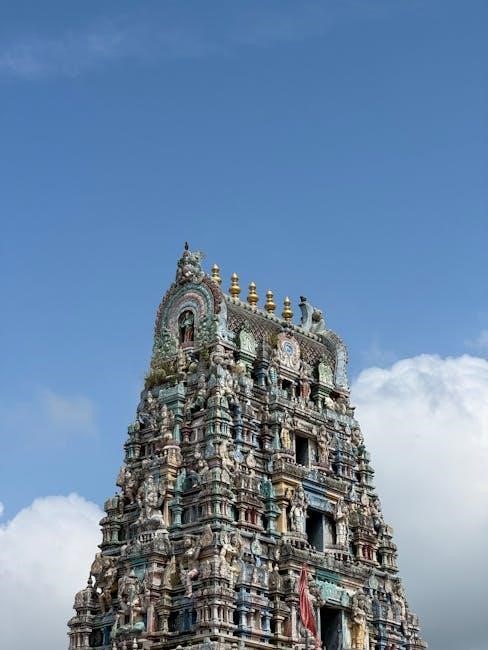
The website offers a user-friendly interface for easy navigation and viewing․ Whether you prefer to consult the calendar on a desktop computer‚ tablet‚ or smartphone‚ the online version ensures accessibility from any device with an internet connection․ This online resource is regularly updated‚ guaranteeing you have the most current information available․