
Exploring a 500 calorie diet involves understanding its core principles and potential applications for rapid weight loss, often found within detailed PDF plans․
What is a 500 Calorie Diet?
A 500 calorie diet is a severely restrictive eating plan where daily caloric intake is limited to approximately 500 calories․ This extreme approach is often detailed in readily available 500 calorie diet plan PDFs, aiming for rapid weight loss․ These plans typically outline specific meals and snacks designed to stay within the strict calorie limit․
It’s crucial to understand that this isn’t a long-term sustainable eating pattern․ PDF resources often emphasize this is a short-term intervention, frequently used under strict medical supervision․ The diet’s focus is on drastically reducing energy consumption, forcing the body to utilize stored fat for fuel․ However, detailed PDFs will also highlight potential risks and necessary precautions․
Is a 500 Calorie Diet Safe?
Generally, a 500 calorie diet is NOT considered safe for most individuals without close medical monitoring․ Many 500 calorie diet plan PDFs strongly advise against self-implementation, emphasizing potential health risks․ The extreme calorie restriction can lead to nutrient deficiencies, electrolyte imbalances, and metabolic slowdown․
PDF resources often detail contraindications, identifying individuals who should absolutely avoid this diet, such as those with pre-existing medical conditions․ While some plans claim rapid weight loss, the safety profile is questionable․ Medical supervision is paramount to mitigate risks and ensure the individual’s well-being throughout the process, as highlighted in comprehensive PDF guides․
Potential Benefits of a Very Low-Calorie Diet
Despite the risks, some individuals may experience benefits under strict medical supervision with a very low-calorie diet, as detailed in certain 500 calorie diet plan PDFs․ Rapid initial weight loss is a commonly cited advantage, potentially motivating continued adherence․
PDF resources may also suggest improvements in insulin sensitivity and certain cardiovascular risk factors for specific populations․ However, these benefits are often temporary and require a carefully managed transition phase․ It’s crucial to remember that these potential advantages are heavily contingent on medical oversight and a comprehensive nutritional plan outlined within the PDF․
Understanding the Risks
PDF plans detailing 500 calorie diets often highlight significant health risks associated with extreme calorie restriction, demanding careful consideration and medical guidance․
Health Risks Associated with Extreme Calorie Restriction
PDF resources outlining 500 calorie diets frequently emphasize the substantial health risks inherent in severely limiting caloric intake․ These plans, while promising rapid weight loss, often downplay potential consequences like nutrient deficiencies, leading to fatigue, weakened immunity, and even organ damage․
Extreme restriction can disrupt metabolic processes, causing a slowed metabolism and making future weight management more challenging․
Furthermore, individuals may experience electrolyte imbalances, heart problems, and psychological effects such as irritability and disordered eating patterns․
PDF guides should ideally detail these risks prominently, advising consultation with a healthcare professional before commencing such a restrictive diet․ Ignoring these warnings can have serious, long-term health implications․
Who Should NOT Follow a 500 Calorie Diet?
PDF meal plans for a 500 calorie diet invariably include disclaimers regarding suitability; certain individuals should absolutely avoid this restrictive approach․ Those with pre-existing medical conditions – particularly heart disease, diabetes, kidney problems, or eating disorders – are at significant risk․ Pregnant or breastfeeding women require increased nutrition and should never attempt such a diet․
Individuals taking medications also need medical clearance, as calorie restriction can affect drug efficacy․
Furthermore, anyone with a history of disordered eating or a tendency towards restrictive behaviors should steer clear․ A PDF should clearly state these contraindications to ensure safety․
Importance of Medical Supervision
Any 500 calorie diet plan PDF emphasizing safety will strongly advocate for medical supervision․ This isn’t merely a suggestion; it’s crucial due to the diet’s extreme nature․ A physician can assess your overall health, identify potential risks based on your medical history, and monitor vital signs throughout the process․ Regular check-ups are essential to detect and address any nutrient deficiencies or adverse effects․
Medical guidance ensures the diet is implemented correctly and adjusted as needed, minimizing harm and maximizing potential benefits․ Self-treating with a restrictive PDF is dangerous․

Sample 6-Day 500 Calorie Meal Plan
A typical 6-day plan, often detailed in a PDF, pre-plans meals and snacks, specifying food amounts and calorie counts for each day․
Day 1: Meal Breakdown
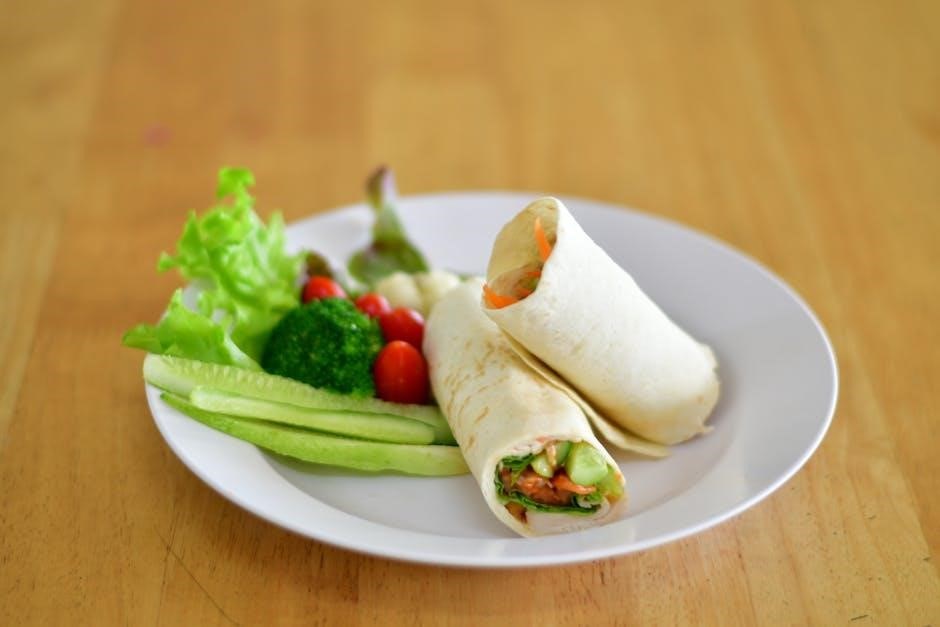
Day one of a 500-calorie plan, as often outlined in a PDF, requires meticulous tracking․ A sample breakdown might begin with a small breakfast – perhaps an egg white omelet with spinach (around 150 calories)․ Lunch could consist of a lean protein source like grilled chicken breast (approximately 180 calories) paired with a generous serving of non-starchy vegetables such as broccoli or salad․
Dinner might feature white fish (around 120 calories) and steamed asparagus․ A small, healthy snack, like a handful of berries (50 calories), could bridge the gap between meals․ Remember, a detailed PDF plan will provide precise quantities and options, ensuring adherence to the strict calorie limit while maximizing nutrient intake․
Day 2: Meal Breakdown
Following a 500-calorie PDF plan, day two demands continued precision․ Breakfast could be a small portion of Greek yogurt (around 100 calories) with a few berries․ Lunch might involve a turkey breast salad (approximately 170 calories) with lettuce and cucumber, using a light vinaigrette․ Dinner could feature baked cod (around 130 calories) alongside a serving of green beans․
A mid-afternoon snack, like a small apple (around 50 calories), can help manage hunger․ A well-structured PDF meal plan will emphasize lean proteins, non-starchy vegetables, and portion control to stay within the calorie target, while providing essential nutrients for energy and well-being․
Day 3: Meal Breakdown
A 500-calorie PDF plan for day three might start with an egg-white omelet (approximately 120 calories) with spinach․ Lunch could consist of a small portion of grilled chicken breast (around 150 calories) served with a large side salad featuring mixed greens and a lemon-herb dressing․ Dinner could be a serving of baked salmon (about 140 calories) with steamed broccoli․
A small handful of almonds (around 60 calories) could serve as a snack․ These PDF plans prioritize nutrient density, ensuring you receive vital vitamins and minerals despite the limited calorie intake․ Careful planning is crucial to avoid nutrient deficiencies and maintain energy levels throughout the day․
Day 4: Meal Breakdown
A typical 500-calorie PDF plan for day four could begin with a Greek yogurt (around 100 calories) topped with a few berries․ Lunch might feature a tuna salad (approximately 160 calories) made with light mayonnaise and served on lettuce wraps․ Dinner could consist of a lean turkey breast (about 150 calories) with a side of asparagus․
A small apple (around 90 calories) could be included as a snack․ These plans emphasize lean proteins and non-starchy vegetables to maximize satiety and nutritional value․ Adhering strictly to the calorie counts outlined in the PDF is essential for achieving desired results, while prioritizing overall health․
Day 5: Meal Breakdown
A 500-calorie PDF plan for day five might start with an egg white omelet (approximately 120 calories) with spinach and mushrooms․ Lunch could be a small portion of grilled chicken breast (around 180 calories) alongside a large salad with a light vinaigrette․ Dinner might feature baked cod (about 140 calories) served with steamed broccoli․
A handful of almonds (around 60 calories) could serve as a snack․ These plans often prioritize protein to help preserve muscle mass during significant calorie restriction․ Careful adherence to the PDF’s outlined portions is crucial, alongside adequate hydration, for optimal results and well-being․
Day 6: Meal Breakdown
A typical 500-calorie PDF plan for day six could begin with a Greek yogurt (around 100 calories) with a few berries․ Lunch might consist of a tuna salad (approximately 150 calories) made with light mayonnaise, served on lettuce wraps․ Dinner could feature a small portion of lean turkey (about 170 calories) with a side of green beans․
A small apple (around 80 calories) could be included as a snack․ These plans emphasize nutrient-dense foods to maximize intake within the limited calorie allowance․ Strict adherence to the PDF’s guidelines, coupled with sufficient water consumption, is vital for safety and effectiveness․

500 Calorie Diet Variations
PDF plans showcase variations like Mediterranean, Keto, and Low Carb approaches, tailoring the 500-calorie restriction to specific dietary preferences and goals․
500 Calorie Mediterranean Diet Plan
Many 500 calorie diet PDF plans incorporate the celebrated Mediterranean diet, emphasizing heart-healthy fats, lean proteins, and abundant fruits and vegetables․ This approach aims to maximize nutrient intake within the severe calorie restriction, potentially mitigating some health risks․ These plans often feature fish, olive oil, and whole grains, promoting satiety and essential fatty acids․
PDF resources detail specific meal breakdowns, showcasing how to achieve 500 calories while adhering to Mediterranean principles․ They highlight the diet’s blend of delicious flavors and health benefits, offering a potentially more sustainable, albeit challenging, very-low-calorie experience․ Careful planning is crucial to ensure adequate micronutrient intake․
500 Calorie Keto Diet Plan
PDF resources detailing a 500 calorie Keto diet plan focus on a low-carb, high-fat approach designed to induce ketosis, where the body efficiently burns fat for fuel․ These plans meticulously outline meals rich in healthy fats and moderate protein, severely restricting carbohydrate intake to maintain ketosis within the limited calorie allowance․
Finding a suitable PDF requires careful consideration, as maintaining electrolyte balance is critical on Keto, even more so with extreme calorie restriction․ These plans often include specific macro breakdowns and emphasize non-starchy vegetables․ They aim for potential weight loss and enhanced energy, but require diligent adherence;
500 Calorie Low Carb Diet Plan
PDF meal plans for a 500 calorie Low Carb diet emphasize minimizing sugar and starch intake while staying within the extremely limited daily caloric budget․ These resources typically feature meals centered around lean proteins, healthy fats, and non-starchy vegetables, carefully calculated to meet nutritional needs despite the restriction․
A well-structured PDF will detail portion sizes and provide guidance on food choices to avoid hidden carbs․ Success hinges on diligent tracking and adherence, as even small deviations can impact results․ These plans aim for weight loss by prompting the body to utilize stored fat for energy․

Foods to Include on a 500 Calorie Diet
PDF plans prioritize lean proteins, non-starchy vegetables, and moderate healthy fats to maximize nutrient intake within the strict 500-calorie limit․
Lean Protein Sources
When reviewing a 500 calorie diet plan PDF, prioritizing lean protein is crucial for preserving muscle mass during significant calorie restriction․ These plans often emphasize sources like skinless chicken breast, turkey, white fish (cod, haddock), and lean cuts of beef․
Egg whites are also frequently included, offering a complete protein source with minimal calories․ Some PDFs may incorporate small portions of tofu or tempeh for plant-based protein options․ The focus is on maximizing protein intake while keeping fat content low to stay within the stringent calorie goals․ Careful portion control, as detailed in the PDF, is essential to ensure adequate protein consumption without exceeding the daily calorie allowance․
Non-Starchy Vegetables
A comprehensive 500 calorie diet plan PDF will heavily feature non-starchy vegetables, forming the bulk of meals due to their low calorie and high fiber content․ These vegetables – like broccoli, spinach, lettuce, kale, cucumbers, and peppers – provide essential nutrients and promote satiety without significantly impacting calorie intake․
PDFs often suggest filling half your plate with these vegetables at each meal․ They are vital for maintaining energy levels and preventing nutrient deficiencies during such a restrictive diet․ Utilizing these vegetables creatively in soups, salads, or as side dishes, as outlined in the plan, is key to adherence and overall success․
Healthy Fats (in moderation)
A well-structured 500 calorie diet plan PDF acknowledges the importance of healthy fats, albeit in strictly moderated portions․ While calorie restriction is paramount, eliminating fats entirely can be detrimental to hormone production and nutrient absorption․ PDFs typically recommend sources like avocado, nuts (almonds, walnuts), seeds (chia, flax), and olive oil․
These fats contribute to feelings of fullness, aiding in adherence to the restrictive calorie limit․ The PDF will detail precise serving sizes – often a teaspoon of oil or a small handful of nuts – to ensure intake remains within the 500 calorie target․ Careful portion control is crucial when incorporating these nutrient-dense fats․

Foods to Avoid on a 500 Calorie Diet
A 500 calorie diet plan PDF stresses avoiding processed foods, sugary drinks, and high-carb items to maximize weight loss efficiency․
Processed Foods
A comprehensive 500 calorie diet plan PDF will emphatically advise against the consumption of processed foods․ These items are typically laden with hidden sugars, unhealthy fats, and excessive sodium, offering minimal nutritional value for the limited calorie intake․
Examples include pre-packaged snacks, fast food, and many convenience meals․ These contribute empty calories, hindering weight loss and potentially derailing the diet’s effectiveness․ Focusing on whole, unprocessed foods is crucial when adhering to such a restrictive plan․
PDF guides often highlight how processed foods can trigger cravings and overeating, making it harder to stay within the 500-calorie limit․ Prioritizing fresh ingredients is key for success․
Sugary Drinks
Any reputable 500 calorie diet plan PDF will strongly discourage the intake of sugary drinks․ These beverages – including sodas, juices (even 100% fruit juice), and sweetened teas – provide a substantial calorie load with virtually no nutritional benefit․
They offer empty calories that quickly fill the daily allowance, leaving little room for nutrient-dense foods․ A PDF guide will emphasize that liquid calories are less satiating than solid foods, leading to increased hunger and potential overconsumption․
Water is always the preferred choice, alongside unsweetened herbal teas, to maintain hydration without compromising the calorie restriction․
High-Carb Foods
A comprehensive 500 calorie diet plan PDF will typically advise limiting high-carbohydrate foods, particularly refined grains and starches․ These include white bread, pasta, rice, potatoes, and sugary cereals, as they can cause rapid spikes in blood sugar and contribute to increased hunger․
The focus shifts towards complex carbohydrates found in non-starchy vegetables, consumed in moderation․
PDF guides often highlight that reducing carbohydrate intake can aid in weight loss and improve insulin sensitivity․
Prioritizing protein and healthy fats helps promote satiety and stabilize energy levels, crucial when consuming a very low-calorie diet․
Tips for Success on a 500 Calorie Diet
PDF plans emphasize hydration, nutrient-dense choices, and managing cravings for optimal results while adhering to the restrictive 500-calorie intake․
Hydration is Key
When following a 500 calorie diet, as often detailed in downloadable PDF plans, adequate hydration becomes absolutely paramount․ Consuming sufficient water isn’t merely about quenching thirst; it plays a crucial role in managing hunger, boosting metabolism, and supporting overall bodily functions during such significant calorie restriction․ Many PDF meal plans will specifically recommend a daily water intake target, often exceeding eight glasses․
Water helps to create a feeling of fullness, potentially reducing cravings and preventing overeating within the limited calorie allowance․ Furthermore, proper hydration aids in digestion and nutrient absorption, maximizing the benefits from the few calories consumed․ Dehydration can often be mistaken for hunger, leading to unnecessary snacking․ Therefore, prioritizing water intake is a simple yet powerful strategy for success, frequently highlighted within comprehensive 500 calorie diet PDF resources․
Prioritize Nutrient-Dense Foods
Given the severely restricted calorie intake of a 500 calorie diet – often outlined in detailed PDF meal plans – every single calorie must deliver maximum nutritional value․ Focusing on nutrient-dense foods is not a suggestion, but a necessity for maintaining health and preventing deficiencies․ These plans typically emphasize lean proteins, non-starchy vegetables, and healthy fats in moderation․
Prioritize foods packed with vitamins, minerals, and fiber․ This means choosing options like spinach, broccoli, lean chicken breast, and small portions of avocado over processed snacks or sugary drinks․ A well-structured PDF plan will illustrate how to combine these foods to create satisfying, yet low-calorie, meals․ Maximizing nutrient intake ensures your body receives essential elements despite the limited energy supply․
Manage Hunger and Cravings
A 500 calorie diet, as detailed in many PDF meal plans, is notoriously challenging due to intense hunger and cravings․ Successfully navigating this requires proactive strategies․ Hydration is paramount; drinking plenty of water can create a feeling of fullness and suppress appetite․ Prioritizing protein and fiber-rich foods, as suggested in these plans, also aids satiety․
Distraction techniques, mindful eating, and adequate sleep can further help manage cravings․ A well-designed PDF plan might incorporate small, frequent meals to prevent extreme hunger pangs․ Recognizing emotional triggers for eating and finding healthy coping mechanisms are crucial for long-term adherence to such a restrictive diet․
Finding a 500 Calorie Diet Plan PDF
Numerous online resources offer 500 calorie diet plans in PDF format, providing structured meal ideas and nutritional information for weight loss․
Reliable Sources for Meal Plans
When seeking a 500 calorie diet plan in PDF format, prioritizing reputable sources is crucial for safety and effectiveness․ Eat This Much consistently emerges as a valuable platform, offering personalized meal plans tailored to individual preferences, budgets, and schedules․ Their plans, including the 500-calorie options, are designed by nutrition professionals and provide detailed grocery lists, simplifying the process․
Furthermore, exploring websites of registered dietitians or certified nutritionists can yield well-researched and balanced meal plans․ Always verify the credentials of the author and ensure the plan aligns with your health needs․ Be cautious of plans promoting unrealistic results or lacking scientific backing․ Remember, a sustainable approach is key, and a professionally crafted PDF can provide a solid foundation․
What to Look for in a PDF Plan
A comprehensive 500 calorie diet plan PDF should prioritize clarity and nutritional balance․ Look for detailed meal breakdowns, specifying food quantities and calorie counts for each meal and snack throughout the day, as exemplified in 6-day plans․ The plan should emphasize nutrient-dense foods – lean proteins, non-starchy vegetables, and healthy fats – to maximize satiety and minimize nutrient deficiencies․
Crucially, the PDF should outline potential risks and contraindications, advising medical supervision․ Variations like Mediterranean, Keto, or Low Carb options should be clearly defined, detailing their specific macronutrient ratios․ A good plan will also offer guidance on hydration and managing hunger, promoting a more sustainable and healthy experience;
Customization Options
Ideal 500 calorie diet plan PDFs acknowledge individual preferences and dietary needs, offering customization features․ While adhering to the strict calorie limit, a flexible plan allows substitutions based on food allergies, intolerances, or personal tastes․ Eat This Much, for example, creates personalized plans based on your budget, schedule, and food preferences․
Look for options to swap protein sources, vegetables, or healthy fats while maintaining the overall caloric and macronutrient profile․ The ability to adjust portion sizes slightly, within the 500-calorie framework, can enhance adherence․ A truly useful PDF will empower users to tailor the plan to their lifestyle, increasing long-term success․

Long-Term Sustainability
PDF plans should emphasize a gradual transition, incorporating balanced nutrition for sustained weight management, avoiding the pitfalls of restrictive dieting․
Transitioning Off the 500 Calorie Diet
A well-structured PDF plan will detail a phased approach to increasing caloric intake, preventing rapid weight regain․ This typically involves adding 100-200 calories per week, carefully monitoring weight and hunger levels․ Prioritize nutrient-dense foods during this phase, focusing on lean proteins, complex carbohydrates, and healthy fats․ The PDF should emphasize reintroducing food groups slowly, observing individual tolerance and digestive responses․
Avoid immediately returning to previous eating habits, as this can negate the progress made․ A gradual increase allows the metabolism to adjust and supports long-term weight maintenance․ The plan should also suggest continued monitoring of portion sizes and mindful eating practices, ensuring a sustainable and healthy relationship with food․
Maintaining Weight Loss
A comprehensive 500 calorie diet plan PDF will extend beyond the initial restrictive phase, offering strategies for sustained weight management․ This includes establishing a realistic daily calorie target, typically between 1200-1500 calories, based on individual needs and activity levels․ The PDF should advocate for consistent physical activity, aiming for at least 150 minutes of moderate-intensity exercise per week․
Regular self-monitoring, such as tracking food intake and weight, is crucial for identifying potential setbacks and making necessary adjustments․ The plan should emphasize the importance of a balanced diet, prioritizing whole, unprocessed foods, and mindful eating habits to prevent future weight regain․
Importance of a Balanced Diet
A well-structured 500 calorie diet plan PDF shouldn’t be solely about restriction; it must highlight the necessity of nutritional balance, even within limited calories․ The PDF should detail incorporating lean protein sources for muscle preservation, non-starchy vegetables for vital nutrients and fiber, and healthy fats in moderation for satiety․
It should emphasize avoiding processed foods, sugary drinks, and excessive carbohydrates․ A balanced approach ensures essential vitamins and minerals are consumed, mitigating potential deficiencies․ Transitioning from the 500-calorie phase requires a gradual increase in calories, prioritizing nutrient-dense foods to support long-term health․